




CliqNews Desk · EN
Trump’s tariffs on Canada face growing Republican revolt.
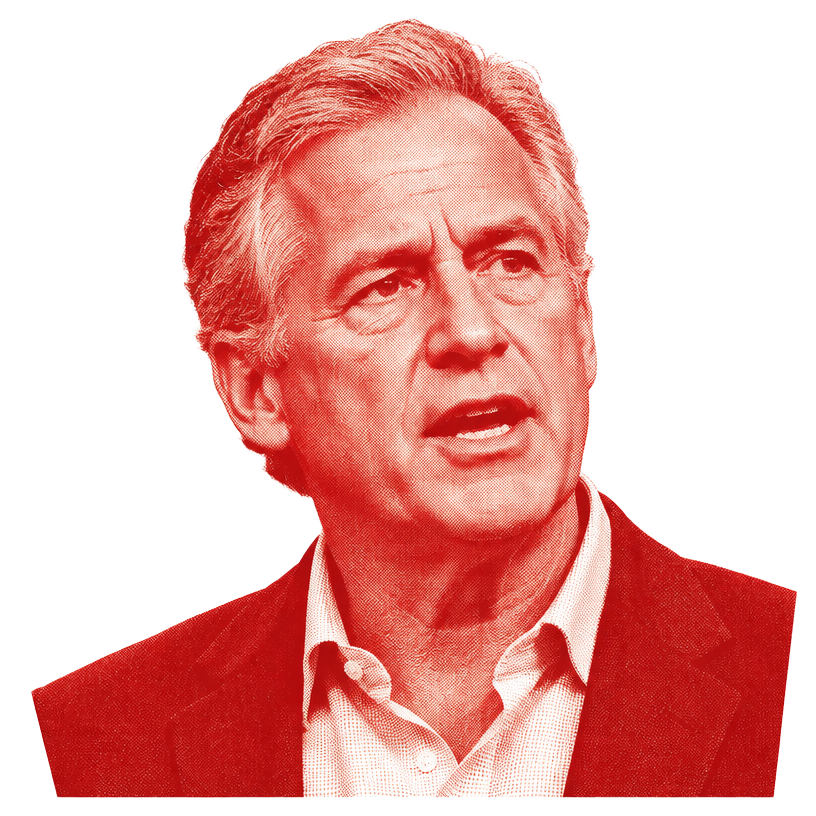
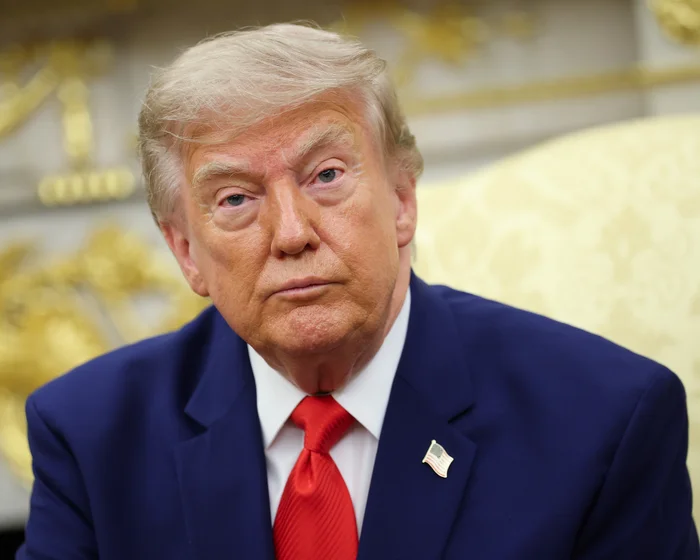
Donald Trump’s tariffs on Canadian goods are facing growing pushback from both parties, with incoming Senate Finance Committee chair Ron Wyden making their repeal a top priority when the new Congress convenes in January
Lanaka Valery
13 November 2026 · 1 min
Wyden says there is “overwhelming support” for repealing the duties and that he is already talking to colleagues about legislation to challenge them. Some Republicans, particularly in states such as Michigan, Maine and Alaska, are also signaling unease over the economic impact.
The US imposed 50% tariffs on $27.6 billion worth of Canadian goods in August, hitting everything from clothes and school supplies to home goods and alcohol. Canada responded with counter-tariffs of 15%, 25% or 50% on about $27.6 billion of US imports.
The tariffs have raised prices for American families and hurt businesses that rely on Canadian inputs, particularly in the automobile and construction sectors.
Wyden believes the Canada tariffs offer the best chance to flip Republicans against Trump and potentially build enough support to override a presidential veto.
Even if Congress moves, Trump can veto any bill that seeks to roll back his tariffs. But Wyden argues that the political cost of defending them is rising, especially after the midterms showed voters are rejecting the policy.
Related stories
 Politics
US backs Russian gas restart to Europe despite EU resistance.
The United States is backing a proposal to restart Russian natural gas exports to Europe through Ukraine as part of talks aimed at securing an energy ceasefire before winter, The Wall Street Journal reported on Monday.
 Politics
Netanyahu alleges fraud as Arab parties hold key to Israel’s election fate.
Israeli Prime Minister Benjamin Netanyahu has accused Arab-led parties of stealing this week’s election, as opposition politicians meet to discuss a possible coalition that could unseat him.
 Politics
Former Google CEO Eric Schmidt warns China is just six months behind the US in AI.
The former Google chief warned that China’s energy and data centre build-out could erode US advantages in chips, talent and capital.