




CliqNews Desk · EN · United States
Congress urged to renew Export-Import Bank to counter China’s global financing push
The Export-Import Bank’s charter expires on 31 December, putting more than $70 billion in pending projects and 45,000 US jobs at stake.
Liam MacDonald
27 October 2026 · 3 min
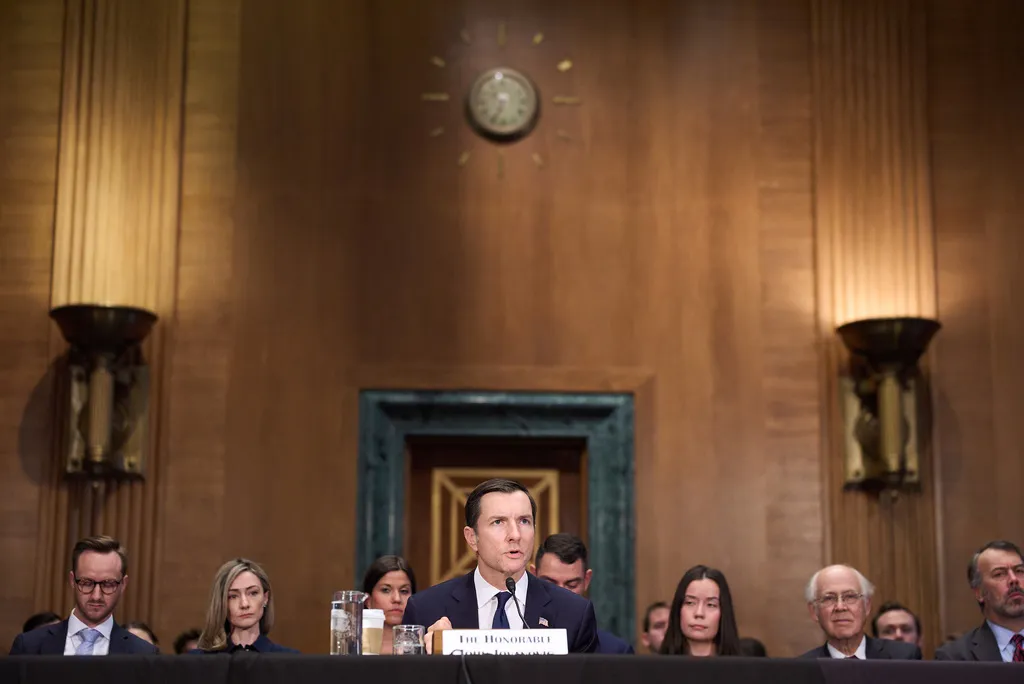
Congress is facing calls to reauthorise and overhaul the Export-Import Bank of the United States before its charter expires on 31 December, with supporters warning that failure to act could stall more than $70 billion in pending projects. Those deals include strategic energy and critical minerals projects and are expected to support more than 45,000 US jobs.
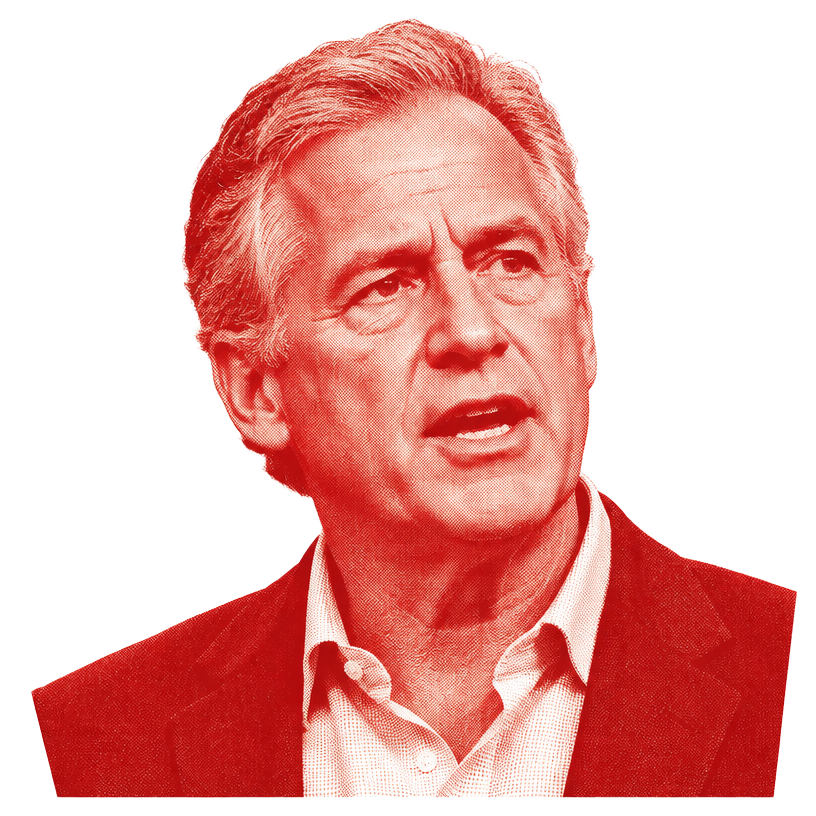
The argument, set out by Kevin Cramer, North Dakota’s junior US senator and a member of the Senate Banking, Housing, and Urban Affairs Committee, is that EXIM should be strengthened as a tool for competing with China in global markets. He said Beijing has put at least $446 billion into overseas energy infrastructure and exports since 2015, nearly 10 times the US level, using state banks, subsidies and loans to help Chinese companies win business.
Cramer said EXIM does not cost US taxpayers and is intended to support deals where private lenders will not act alone or where foreign governments are already backing competitors. He argued that a modernised, better-capitalised bank could help turn US strengths in nuclear energy, liquefied natural gas and geothermal technology into overseas contracts, but warned that excessive risk aversion has left three-quarters of EXIM’s lending authority unused.
Cramer said the risk to US exporters is sharpened by growing use of export credit by other governments. EXIM’s recent Competitiveness Report found state-backed export financing at its highest level in a decade, with countries increasingly using such agencies to secure contracts in strategic sectors. He warned that allowing the bank’s authority to lapse would deepen the disadvantage facing American companies competing for global projects.
The senator pointed to the period from 2015 to 2019, when EXIM lacked full authorisation and a board quorum, as evidence of the consequences. During that time, he said, US exporters lost business to foreign rivals. He called for a bipartisan 10-year reauthorisation, which would be the longest in the bank’s history, to show both workers and competitors that Washington intends to support American businesses abroad.
Cramer also backed changes to how EXIM manages risk and selects projects. In June, the bank’s advisory committee, made up of outside leaders from industry, finance and labour, recommended removing the existing 2% default-rate shutdown trigger and adopting stronger but bolder risk standards. Supporters argue those changes would let the bank finance projects serving US national and economic interests while preserving its financial record.
The broader warning is that the country financing the next wave of energy infrastructure and critical minerals supply chains will help shape global economic rules for years to come. Cramer said Congress should renew EXIM for the long term, equip it to compete more effectively, and allow American companies and workers to pursue contracts that might otherwise be won by China-backed rivals.
Related stories
 Politics
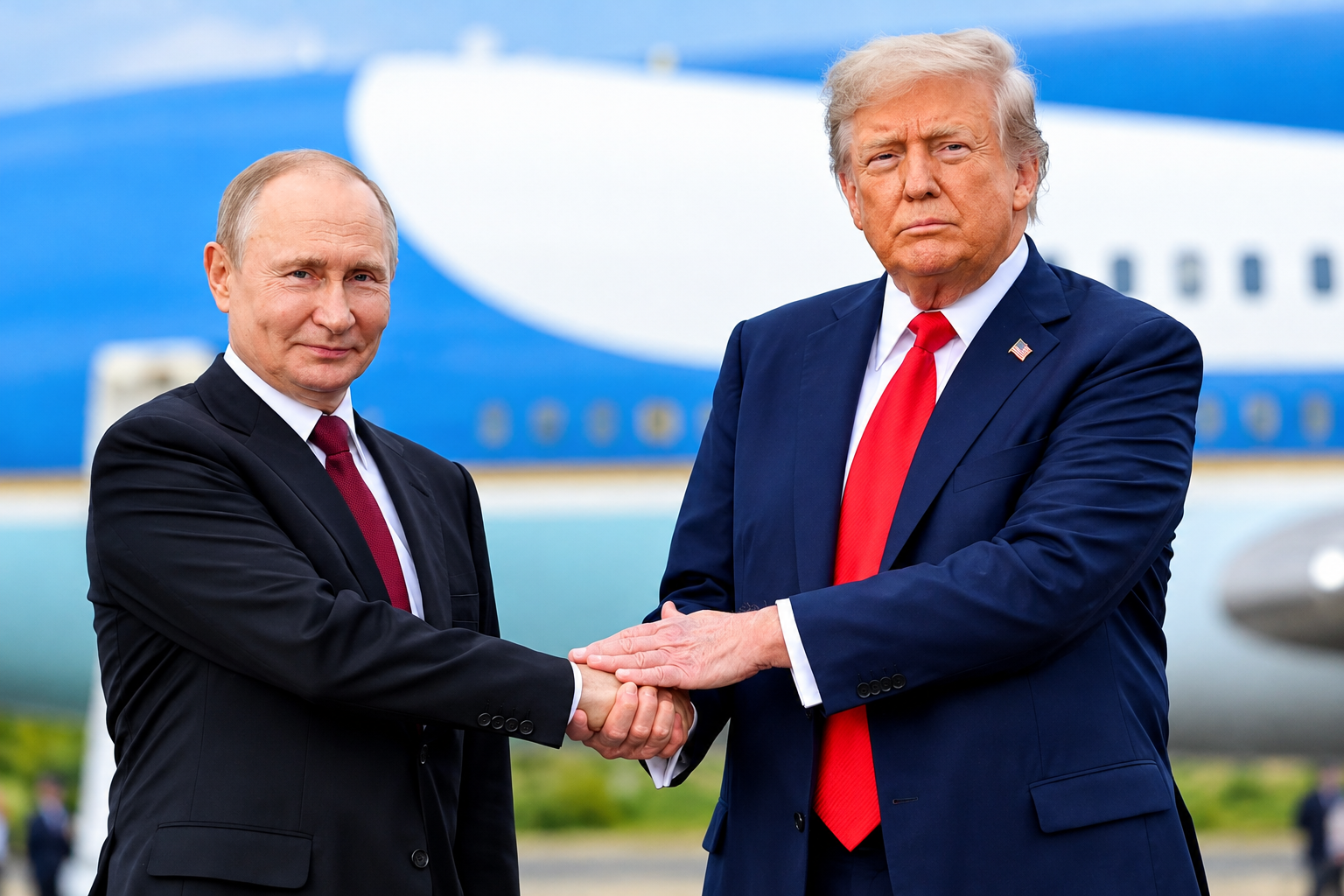
US backs Russian gas restart to Europe despite EU resistance.
The United States is backing a proposal to restart Russian natural gas exports to Europe through Ukraine as part of talks aimed at securing an energy ceasefire before winter, The Wall Street Journal reported on Monday.
 Politics
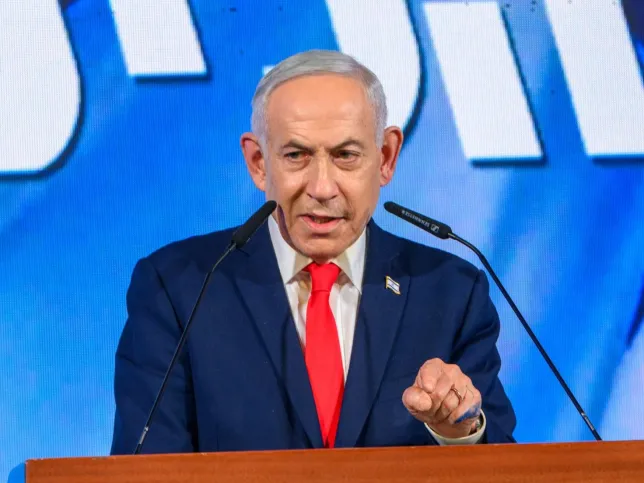
Netanyahu alleges fraud as Arab parties hold key to Israel’s election fate.
Israeli Prime Minister Benjamin Netanyahu has accused Arab-led parties of stealing this week’s election, as opposition politicians meet to discuss a possible coalition that could unseat him.
 Politics
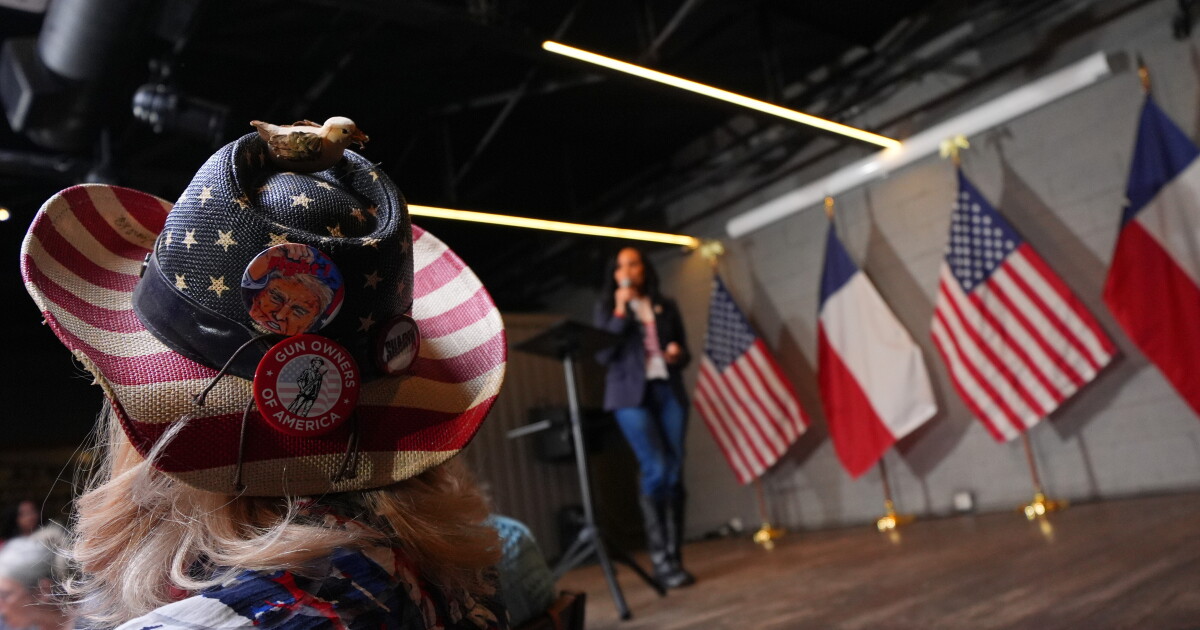
Video argues Republicans are losing their hold on Texas.
A political video says Republican dominance in Texas is weakening, pointing to a changing contest for power in the state.