




CliqNews Desk · EN · Israel
Israel votes in election shaped by Netanyahu, Gaza war and national division
Israelis are voting on 27 October in a pivotal election that could decide Benjamin Netanyahu’s future and the country’s political direction after years of war.
Liam MacDonald
27 October 2026 · 3 min
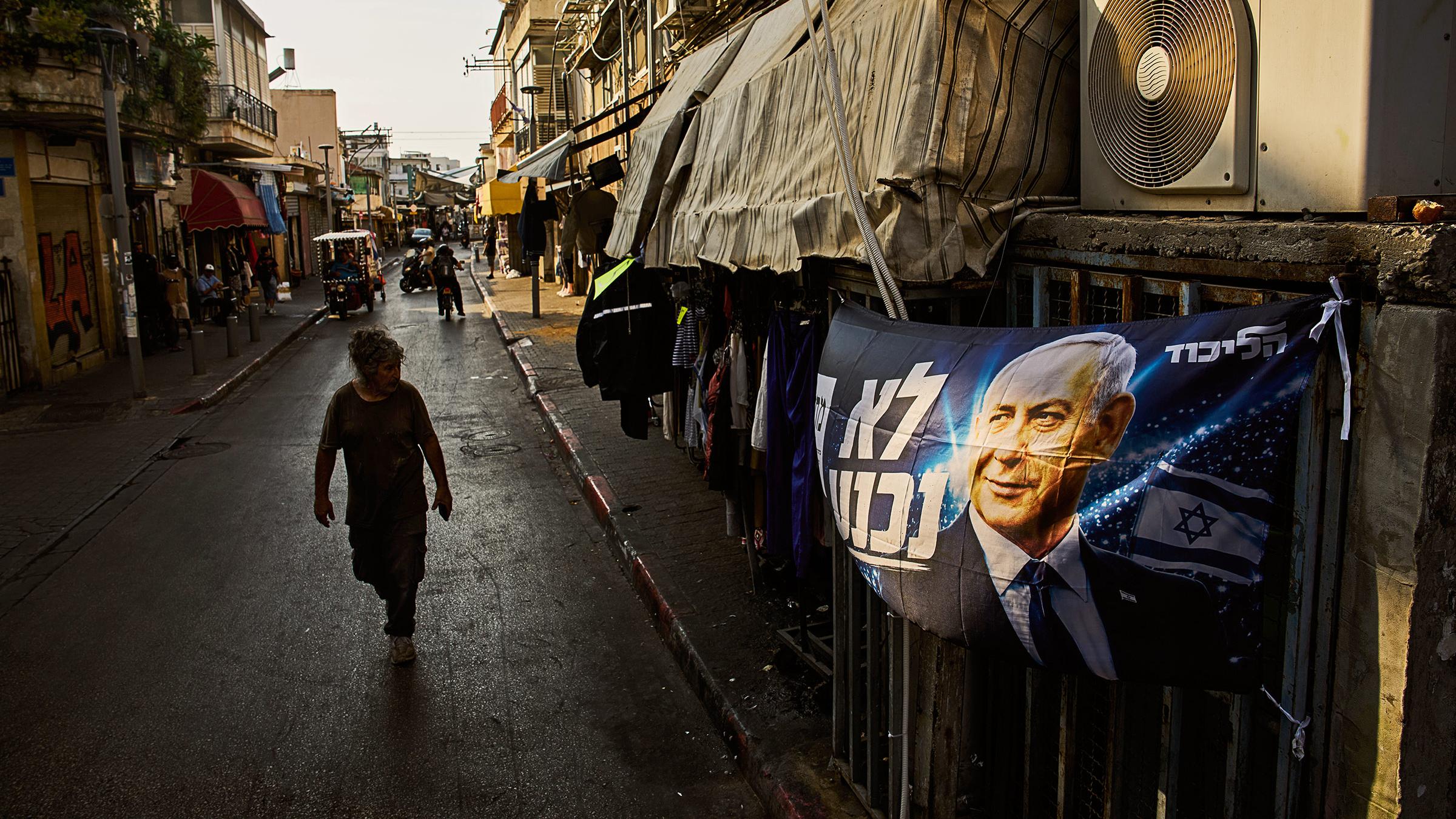
Israelis go to the polls on 27 October in an election dominated by the aftermath of the Hamas-led attacks of 7 October 2023, the war in Gaza and the future of Prime Minister Benjamin Netanyahu. The contest is widely seen as both a verdict on Netanyahu’s leadership and a decision over whether Israel moves further towards religious nationalism or seeks a different political course.
Netanyahu faces a divided field of challengers, including Gadi Eisenkot, a former military chief running as a centrist; Naftali Bennett, the right-wing former prime minister; Yair Lapid, the centrist former premier; and Avigdor Lieberman, a hawkish secular nationalist. Far-right leaders Itamar Ben-Gvir and Bezalel Smotrich, whose parties helped sustain Netanyahu’s current coalition, are also central to the outcome because of their demands on Gaza, the West Bank and Israeli sovereignty.
Eisenkot, whose son Gal was killed fighting Hamas in Gaza and whose nephew also died in the war, is polling as Netanyahu’s strongest rival. He has framed the vote as a test of Israel’s character and future. “This election is about the identity of Israel,” he said on 20 October. “What will be Israel two weeks from now, 10 years from now, 20 years from now? This is the main question.”
Polls before the vote suggest no clear outcome. Analysts say Netanyahu and Eisenkot could end up in a unity government, Netanyahu could assemble another right-wing coalition, or Eisenkot could try to work with Bennett, Lapid and Arab parties to remove the prime minister. If no camp reaches the 61 seats needed for a Knesset majority, Israel could face another election, recalling the repeated deadlock between 2019 and 2022.
According to people familiar with Netanyahu’s thinking, he would prefer a unity arrangement with Eisenkot, partly to reshape his legacy after the worst security failure in Israel’s history. They also say he has little appetite for being dependent again on Ben-Gvir and Smotrich. One Netanyahu aide said the prime minister once believed he could control Ben-Gvir, but “now he knows that he can’t”.
On the right, however, many voters want Netanyahu kept in power but constrained by harder-line allies. In the West Bank settlement of Neve Daniel, residents voiced anger over aid and goods entering Gaza and criticised past concessions to Palestinians and American pressure. Some are backing smaller nationalist or far-right parties, while others remain with Likud because they want a government committed to a tougher policy in Gaza and the West Bank.
The election is unfolding in a society still scarred by the killing of 1,200 people in Israel and the taking of 251 hostages on 7 October 2023, while Israel faces mounting international condemnation over nearly 75,000 Palestinian deaths in Gaza. Internal strains are also acute: a recent survey found 59% of Israelis believe internal threats are greater than external ones, and 64% said they were considering leaving, citing insecurity, living costs and political instability.
Related stories
 Politics
US backs Russian gas restart to Europe despite EU resistance.
The United States is backing a proposal to restart Russian natural gas exports to Europe through Ukraine as part of talks aimed at securing an energy ceasefire before winter, The Wall Street Journal reported on Monday.
 Politics
Netanyahu alleges fraud as Arab parties hold key to Israel’s election fate.
Israeli Prime Minister Benjamin Netanyahu has accused Arab-led parties of stealing this week’s election, as opposition politicians meet to discuss a possible coalition that could unseat him.
 Politics
Video argues Republicans are losing their hold on Texas.
A political video says Republican dominance in Texas is weakening, pointing to a changing contest for power in the state.