


CliqNews Desk · EN · Ukraine
Trump’s Ukraine shift is giving Putin the upper hand, former US envoy argues
A former US ambassador to Russia says Donald Trump’s policies are weakening Ukraine and making Moscow’s war aims more achievable.
Liam MacDonald
28 October 2026 · 4 min
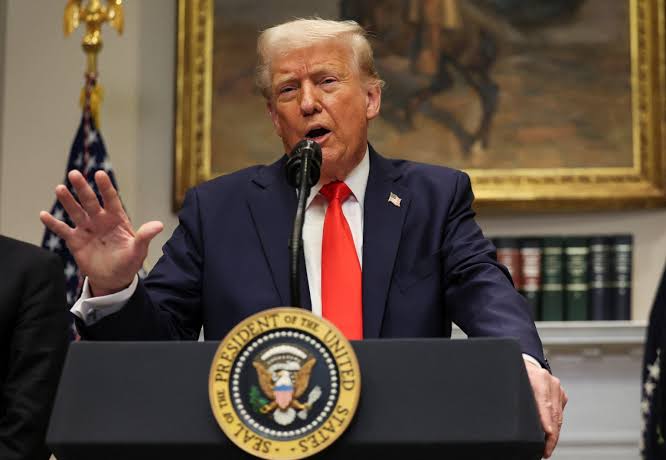
Vladimir Putin’s long effort to dominate Ukraine is gaining strength because of Donald Trump’s return to the White House, according to Michael McFaul, a former US ambassador to Russia. McFaul argues that the US president’s moves to ease pressure on Moscow and reduce support for Kyiv have made Russia’s annexation of Ukrainian territory and influence over Ukraine’s future more likely than at any time since February 2022.
McFaul says the war’s momentum has shifted several times since Russia launched its full-scale invasion. Russian forces began with the advantage, but Ukraine regained the initiative in autumn 2022, retaking large areas and prompting concern in Washington that Putin might resort to nuclear weapons to halt Kyiv’s advances. After a long and costly stalemate, Ukraine again improved its position last spring by using longer-range missiles, midrange drones and better interceptor drones.
That momentum, McFaul writes, has now moved back towards Russia. He says Putin has increasingly relied on missile and drone attacks against civilians and critical infrastructure, especially energy and water systems, in an attempt to make the Ukrainian population pressure President Volodymyr Zelensky to accept Moscow’s terms. Russia’s mass production of ballistic missiles and the new Geran 5 drone, described as using a powerful Chinese rocket engine that Ukrainian air defences cannot intercept, has made the campaign more severe.
The shift in US policy is central to McFaul’s argument. He says Trump has ended direct American military and economic assistance to Ukraine, while still allowing US companies to sell some weapons to European governments that can then transfer them to Kyiv. He describes that route as far smaller than previous US support and says Ukraine’s shortage of Patriot missile defence interceptors is especially acute, partly because the United States used many during Trump’s war with Iran.
McFaul also points to Trump’s stance on NATO and his treatment of Zelensky. He says Trump has insisted Ukraine will never join the alliance, received Putin at an Alaska summit last year, and discussed pressure on Ukraine to surrender the rest of Donbas, the eastern region Putin has sought to conquer since 2014. He recalls a February 2025 Oval Office meeting at which Trump told Zelensky: “You’ve done enough talking. You’re not winning this . . . You don’t have the cards.” Trump has also echoed Putin by saying it is “time for Ukraine to get a new president”.
In the past two weeks, McFaul says, Trump has gone further by lifting sanctions to permit Russian diesel exports, suspending new sanctions contained in the Lindsey O. Graham Sanctioning Russia and Iran Act of 2026, and overseeing lapses in intelligence sharing. He also highlights disruptions to Ukraine’s access to Starlink and Starshield communications systems provided by SpaceX, owned by Elon Musk, saying it remains unclear whether the US government or Musk ordered them. The effect, he argues, was that more Russian strikes hit Ukrainian targets, more Russian weapons moved towards the frontline, and more Ukrainian drones failed.
McFaul says Putin and Trump’s teams have also discussed potential business deals, including American investor purchases of assets belonging to Lukoil, the sale of the dormant Nord Stream 2 pipeline, and secret Russian investments in a liquefied natural gas project in Alaska. If completed, he argues, these projects would bring Moscow new revenue to fund the war.
Despite the pressure, McFaul says Ukrainians are not giving up and that polls show a solid majority still supports continuing the fight. He adds that European countries have helped fill the gap left by reduced US aid, while Ukrainian defence firms are racing to counter Russia’s ballistic missiles and Geran 5 drones. He also argues US policy could change after next week’s midterm elections, especially if Democrats win control of one or both houses of Congress, but warns that the coming winter could be the harshest yet for Ukraine if American support remains weakened.
Related stories
 Politics
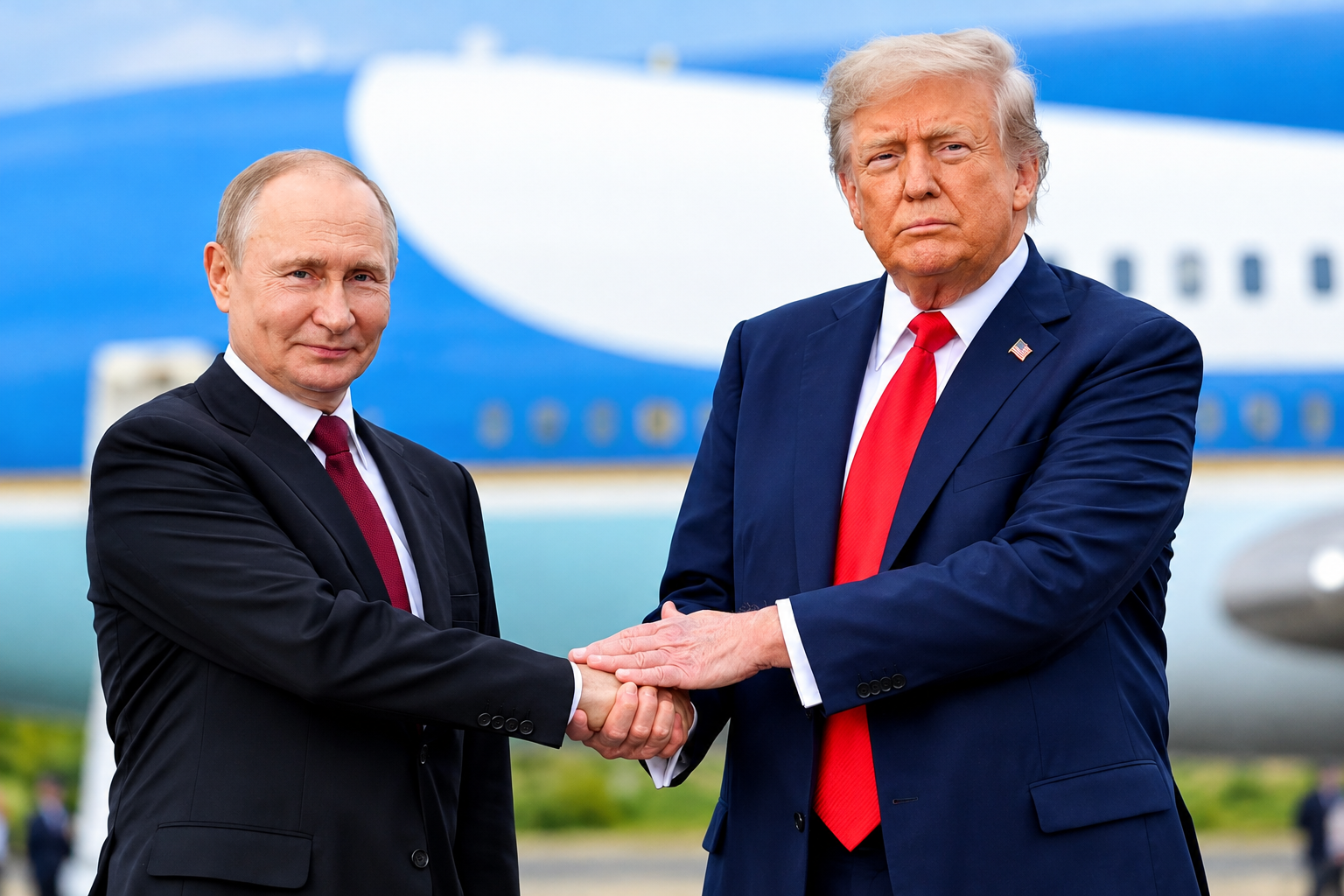
US backs Russian gas restart to Europe despite EU resistance.
The United States is backing a proposal to restart Russian natural gas exports to Europe through Ukraine as part of talks aimed at securing an energy ceasefire before winter, The Wall Street Journal reported on Monday.
 Politics
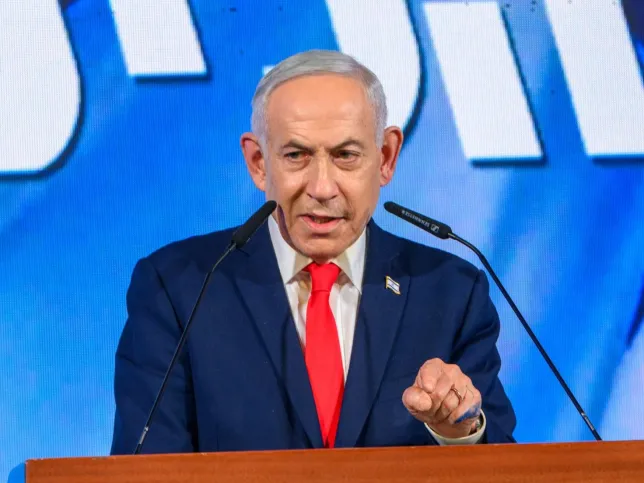
Netanyahu alleges fraud as Arab parties hold key to Israel’s election fate.
Israeli Prime Minister Benjamin Netanyahu has accused Arab-led parties of stealing this week’s election, as opposition politicians meet to discuss a possible coalition that could unseat him.
 Politics
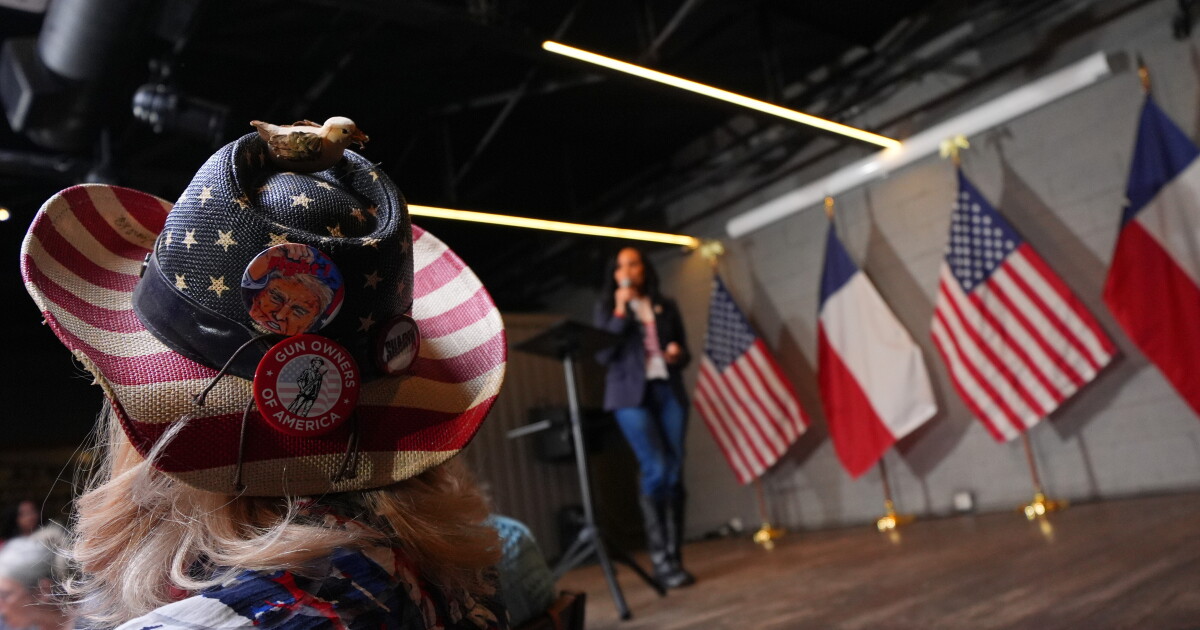
Video argues Republicans are losing their hold on Texas.
A political video says Republican dominance in Texas is weakening, pointing to a changing contest for power in the state.