





CliqNews Desk · EN
Unified naval effort urged to counter attacks in Hormuz and Red Sea
Iranian and Houthi attacks on key Middle East shipping lanes have renewed calls for a single multinational mission linking US capabilities with regional and European support.
Liam MacDonald
28 October 2026 · 4 min
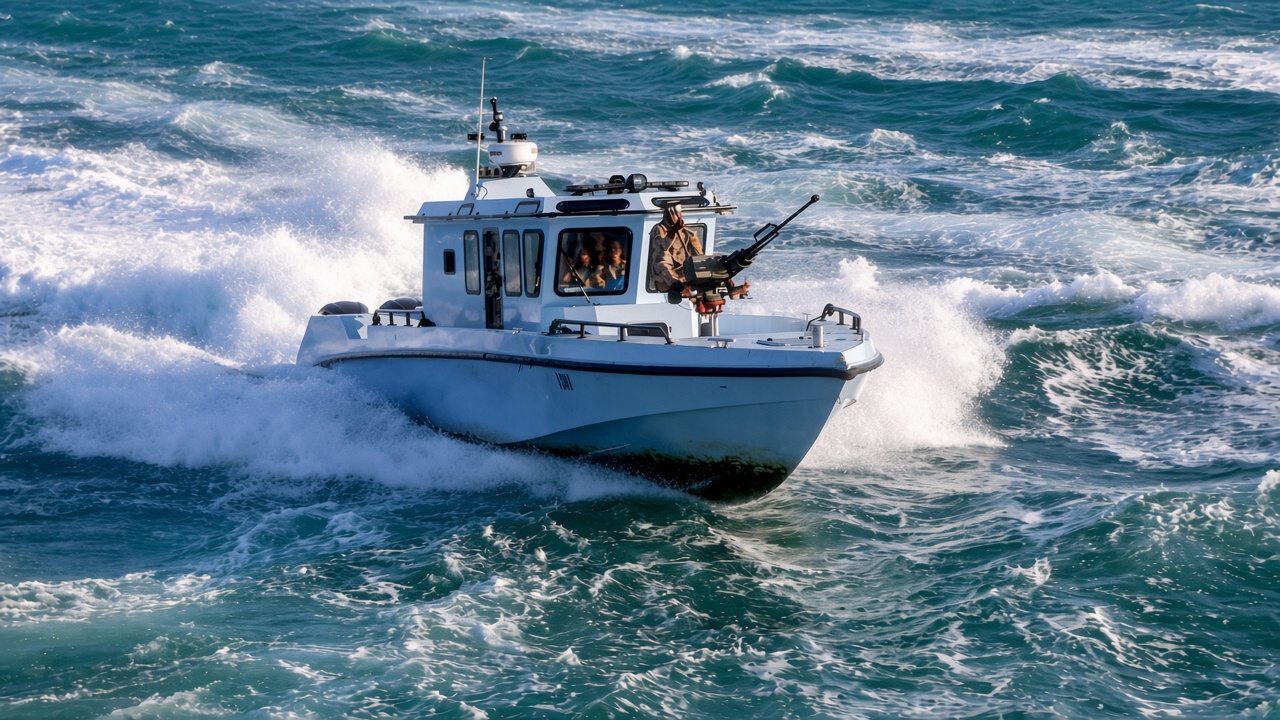
A surge in attacks on commercial shipping in the Strait of Hormuz and the Red Sea has intensified concern that current maritime security plans are too fragmented to deter Iran and Yemen’s Iran-backed Houthis. More than 100 drone and missile launches into the Strait of Hormuz have been recorded since the United States and Israel declared war in February, while two vessels, a container ship and a bulk carrier, sank there in October.
The crisis is unfolding alongside continued Houthi pressure on Red Sea trade routes. The group has targeted Saudi Arabia more directly and seized new territory along the Bab el Mandeb Strait, one of the world’s most important maritime chokepoints. Together, the threats have restricted shipping, raised costs and exposed the limits of previous international efforts to keep regional waterways open.
Past responses offer a warning. In 2019, after the first Trump administration’s “maximum pressure” sanctions campaign against Tehran, Iran attacked tankers off the United Arab Emirates and in the Gulf of Oman, and seized a British-flagged oil tanker in the Strait of Hormuz. Insurance premiums rose tenfold, while freight rates for crude oil tankers increased by nearly 40 percent. Washington then created the International Maritime Security Construct in Bahrain, joined by Albania, Australia, Bahrain, Saudi Arabia, the UAE and the United Kingdom by the end of that year.
Many European governments stayed out of that US-led effort, wary of appearing to back Washington’s Iran policy after its withdrawal from the 2015 nuclear deal. Eight European countries instead joined a French-led mission, European Maritime Awareness in the Strait of Hormuz, focused on surveillance, de-escalation and dialogue. A similar split appeared after the Houthis began attacking Red Sea shipping in 2023: the United States launched Operation Prosperity Guardian in December 2023, while the European Union formed a smaller defensive mission of its own.
Those missions achieved practical successes, including better maritime surveillance, the interception of some drones and missiles, and the prevention of a complete shutdown of shipping. Operation Prosperity Guardian maintained four to eight warships in the Red Sea area and, within its first month, its leaders said it had helped more than 1,000 commercial vessels pass safely. But the separate operations did not convince shipping companies that the routes were secure, nor did they prevent Iran and the Houthis from returning to attacks on chokepoints.
New plans risk repeating the same pattern. Britain and France have proposed a multinational defensive coalition for the Strait of Hormuz after the war ends, while Saudi Arabia announced in late July that it was forming a separate Red Sea coalition with 14 countries from Africa and the Middle East, as well as Bangladesh and Pakistan. Neither effort includes the United States. Washington, meanwhile, has deployed nearly one-third of its naval warships to the Middle East, escorting vessels through Omani waters, defending shippers from Iranian attacks, enforcing a naval blockade against Iranian ports and disabling tankers that ignore its warnings.
The central argument now being made is that short-term coalitions based on voluntary and separate contributions can reduce immediate risk but cannot deliver lasting deterrence. Without US naval assets, intelligence and nearby bases, such missions lack the scale needed to meet the threat; without broader Arab, European and Asian participation, US power alone may not isolate Iran or persuade the Houthis to change course.
A proposed alternative is a single, sustained defensive maritime mission covering both Hormuz and the Red Sea, led through an Arab- and European-centred command structure but supported by American military capabilities. Such an arrangement would distinguish the protection of commercial shipping from US and Israeli offensive operations, while giving participating navies real-time intelligence on Iranian and Houthi weapons and targeting. The aim would be to show Tehran and the Houthis that attacks on global commerce will meet a coordinated international response, rather than another patchwork of missions they can exploit.
Related stories
 Politics
US backs Russian gas restart to Europe despite EU resistance.
The United States is backing a proposal to restart Russian natural gas exports to Europe through Ukraine as part of talks aimed at securing an energy ceasefire before winter, The Wall Street Journal reported on Monday.
 Politics
Netanyahu alleges fraud as Arab parties hold key to Israel’s election fate.
Israeli Prime Minister Benjamin Netanyahu has accused Arab-led parties of stealing this week’s election, as opposition politicians meet to discuss a possible coalition that could unseat him.
 Politics
Video argues Republicans are losing their hold on Texas.
A political video says Republican dominance in Texas is weakening, pointing to a changing contest for power in the state.