




CliqNews Desk · EN · China
China’s export boom exposes limits of Beijing’s control over local industry
China’s swelling trade surplus and rapid manufacturing expansion are being driven not only by national policy but by powerful local incentives.
Liam MacDonald
27 October 2026 · 4 min
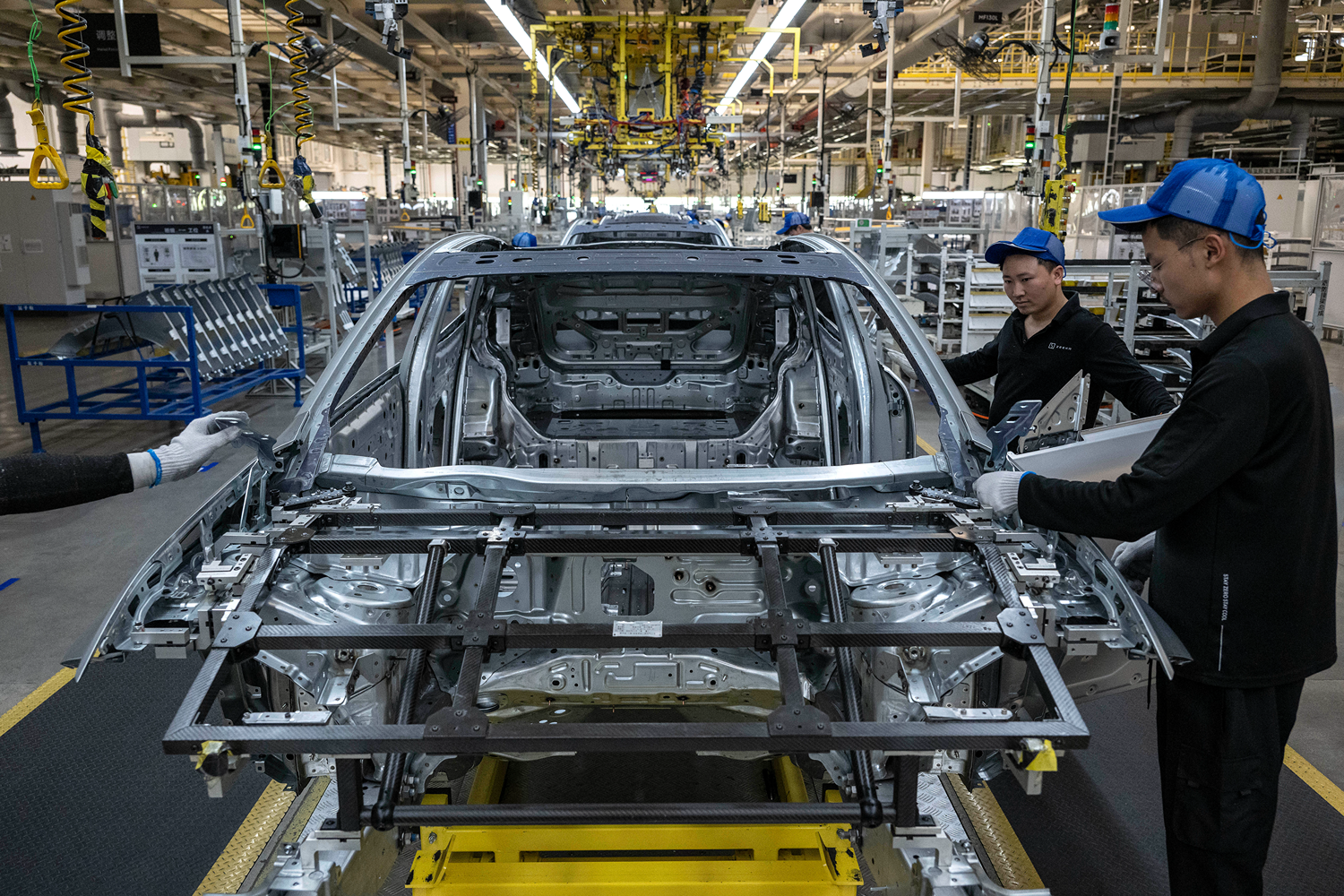
China’s manufacturing expansion shows little sign of easing, as exports continue to surge across sectors including electric vehicles and power generation. Auto exports have risen more than tenfold since 2020 and are estimated to reach 10 million vehicles this year. In August, China recorded a $119.1 billion trade surplus, putting it on course to exceed the $1.2 trillion surplus of 2025.
The scale of China’s output has intensified accusations in the United States, the European Union and Southeast Asia that Beijing is pushing excess industrial capacity into global markets. China has strongly rejected that charge. But concerns abroad have grown as local industries face pressure from Chinese competition, with worries ranging from job losses to dependence on Chinese suppliers.
A common explanation is that China’s dominance reflects long-term planning by the central government and top-down industrial policy. That view is only partly accurate. Beijing sets national priorities, but the implementation of those priorities often depends on provincial, city and county officials whose incentives can differ sharply from those of the centre.
The gap between central planning and local action has been visible before. In 2004, the State Council launched a high-speed rail programme with an original target of 12,000 kilometres of track by 2020. By the end of that year, China had built nearly 38,000 kilometres. Local governments had lobbied hard for lines within their jurisdictions, prompting repeated revisions to national construction plans.
A similar pattern emerged in the car industry. Beijing initially wanted to consolidate the sector around a handful of large state-owned groups, including First Automotive Works, and their foreign joint ventures. Instead, the most prominent players in new energy vehicles are largely private firms such as Geely, BYD and Nio, each supported by a local government. In July, officials in Changchun, FAW’s home city, said the city faced “unprecedented difficulties”, with industrial profits down 20 percent in 2025 and the traditional auto sector under pressure to modernise.
The pressures come from China’s bureaucratic system. Local officials are appointed from above and compete for promotion through performance evaluations. For years, growth indicators such as GDP, investment, foreign direct investment and revenue were central measures of success. Although the criteria have broadened to include environmental protection, industrial upgrading, welfare and poverty alleviation, local leaders still need to stand out. With more than 30 provincial-level units, over 330 cities and nearly 2,800 county-level units competing for attention, visible investment projects can be a powerful way to win favour.
That competition helps explain why local governments pile into sectors signalled as national priorities, such as electric vehicles, robotics and artificial intelligence. Each locality has an incentive to outspend rivals, even if the overall result is duplication and output that domestic or global markets cannot absorb. President Xi Jinping has warned against disorderly local development in areas including EVs and AI, including in a public speech in 2025, but warnings without specific consequences have limited force.
Short official tenures add to the problem. Provincial and city leaders serve an average of about three and a half years, encouraging quick projects that produce visible results before long-term costs appear. This dynamic also contributes to local government debt, alongside a fiscal mismatch in which local authorities are responsible for about 80 percent of spending but collect only about 50 percent of revenue. While Beijing has sought to boost consumption, such policies are slower to show results and harder for local leaders to claim credit for than factories, infrastructure or industrial parks. The result is a structural tension: China’s centre depends on local competition to deliver policy goals, but that same competition keeps fuelling overinvestment and excess capacity.
Related stories
 Politics
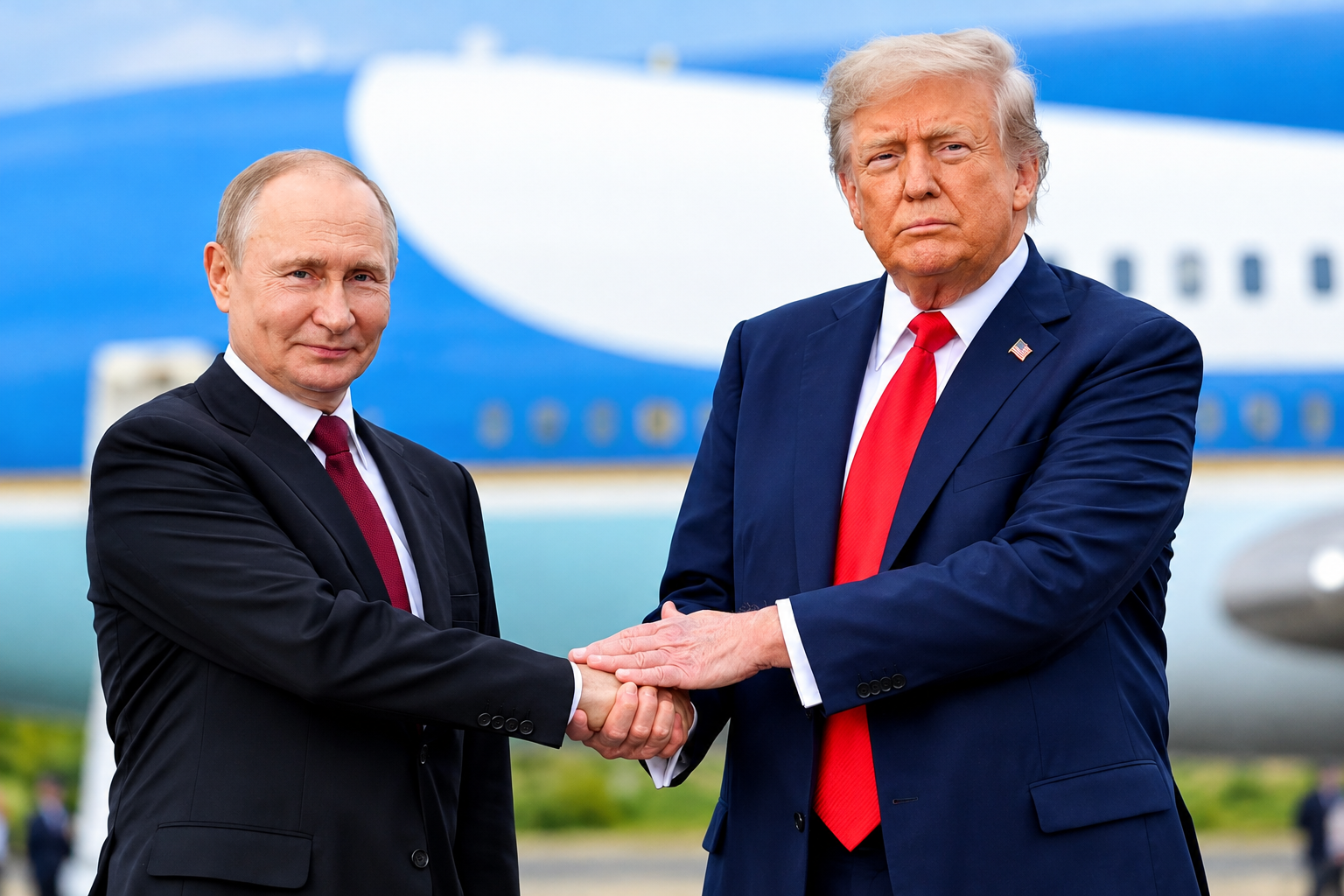
US backs Russian gas restart to Europe despite EU resistance.
The United States is backing a proposal to restart Russian natural gas exports to Europe through Ukraine as part of talks aimed at securing an energy ceasefire before winter, The Wall Street Journal reported on Monday.
 Politics
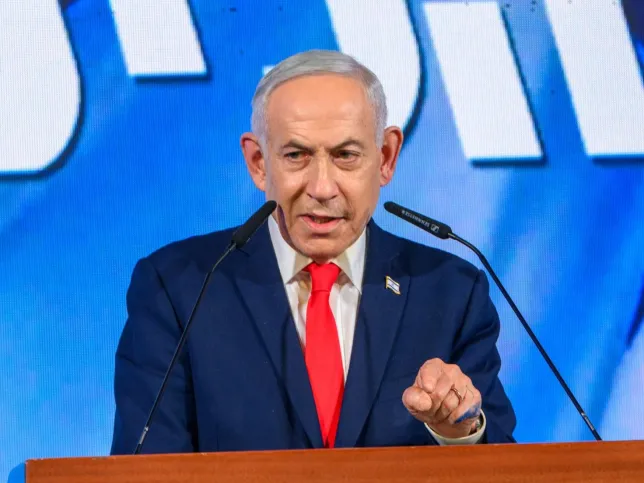
Netanyahu alleges fraud as Arab parties hold key to Israel’s election fate.
Israeli Prime Minister Benjamin Netanyahu has accused Arab-led parties of stealing this week’s election, as opposition politicians meet to discuss a possible coalition that could unseat him.
 Politics
Video argues Republicans are losing their hold on Texas.
A political video says Republican dominance in Texas is weakening, pointing to a changing contest for power in the state.