




CliqNews Desk · EN · Nigeria
Tinubu says reforms are reshaping Nigeria’s economic performance.
President Bola Tinubu says tough reforms are stabilising Nigeria’s economy, boosting investment and laying the basis for broader prosperity.
Olivia Tremblay
30 October 2026 · 3 min
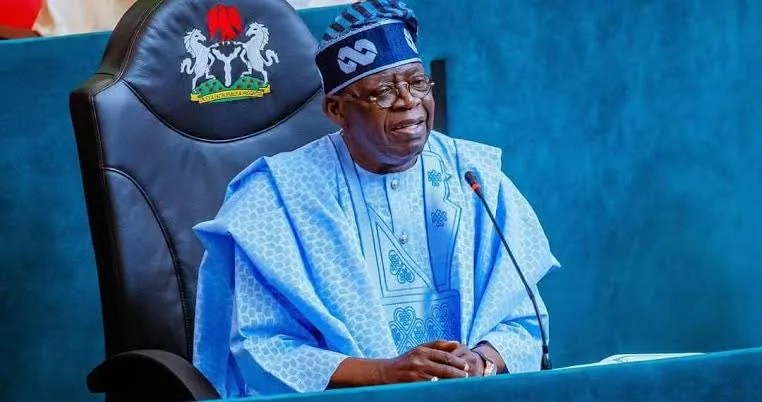
President Bola Tinubu has said his administration is changing Nigeria’s long record of economic underperformance through sweeping reforms intended to unlock the country’s potential. Speaking on Monday at the 32nd Nigerian Economic Summit in Abuja, he said the government had taken difficult decisions at the start of its tenure to confront structural problems that had held back growth for decades.
Tinubu, who was represented by Vice-President Kashim Shettima, said the measures were part of a deliberate economic reset rather than a quick fix. “There is no shortcut to economic growth,” he said, adding: “We came to rewrite the story of a nation that has performed below its potential for far too long.”
The president said the reforms were aimed at removing entrenched barriers, strengthening productivity and creating opportunities across the economy. He argued that rescuing the economy was not only about improving headline indicators, but about changing daily realities for citizens. “For us, rescuing the economy means rescuing livelihoods and transforming the fortunes of young jobseekers, farmers, manufacturers, entrepreneurs and innovators,” he said.
Tinubu linked the success of Nigeria’s development ambitions to economic stability, saying the country could not fully benefit from its growing population, human capital and natural resources without first putting the economy on a firmer footing. He said the government had been creating conditions for public and private investment, business expansion and productive employment, while reforms were restoring confidence and building a platform for sustainable growth.
He said the next phase would focus more sharply on productivity, the quality of jobs and better use of Nigeria’s workforce. Tinubu called for efforts to reduce underemployment and said prosperity would require greater output from workers, companies and investments. Infrastructure, he said, should be judged by the economic activity it generates, while education should be assessed by the skills and productivity it produces.
The president also said industrial policy must be measured by whether it improves the competitiveness of Nigerian businesses and encourages investment, technology, exports and jobs. Citing National Bureau of Statistics figures, he said inflation-adjusted gross domestic product grew by 3.89 per cent in the first quarter of 2026, compared with 3.13 per cent in the same period of 2025.
On diversification, Tinubu said non-oil activities accounted for 96.08 per cent of GDP, while manufacturing grew by 3.29 per cent and the oil sector by 2.57 per cent. He said capital importation reached $10.37 billion in the first quarter of 2026, an 83.83 per cent rise from the corresponding period in 2025, with inflows from portfolio and foreign direct investment.
Tinubu said the government would keep easing regulatory burdens, improving transparency, ensuring predictable policy and widening access to finance to attract investment. He also pointed to tax reforms intended to create a modern, fair system that can fund development and give businesses greater certainty. The United Nations Deputy Secretary-General, Dr Amina Mohammed, urged the government to consolidate and stabilise the reforms while managing public expectations, and praised the African Development Bank’s development finance approach across the continent.
Related stories
 World
Spain launches investigation into deadly Toledo train collision.
Spain has begun investigating the deadly collision of two high-speed trains near Toledo that killed at least 69 people, as the country observes three days of national mourning.
 World
France on red alert as Halloween protests raise violence risk.
French authorities are preparing for a fresh wave of nationwide protests on Saturday, with Halloween celebrations adding to concerns over potential violence.
 World
Tyrese Maxey’s late threes carry 76ers past Pacers in Indianapolis.
Tyrese Maxey scored 27 points as Philadelphia rallied in the fourth quarter to beat Indiana 114-109 on Wednesday night.